Tuberculosis

Ikire, Osun State, sheadng, Shepherd for Health, Environment Advocacy and Development Center, Tuberculosis

What is Tuberculosis?

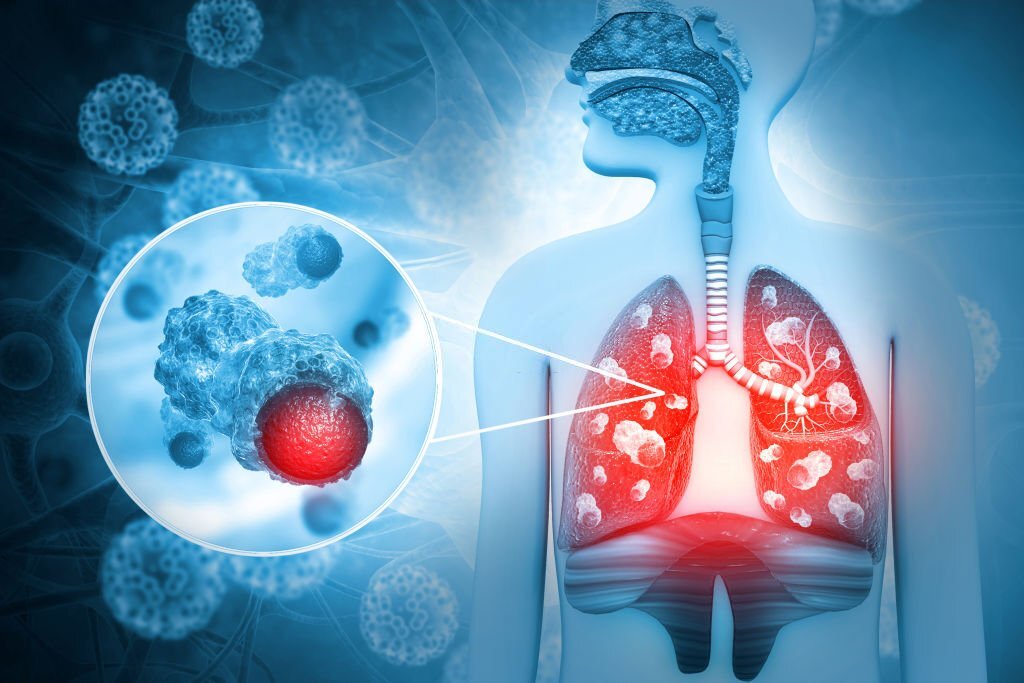
Tuberculosis also known as TB is an infectious disease that typically goes after your lungs. It can likewise spread to different parts of your body, like to your brain, kidney, and spine. A kind of microbes or bacteria called Mycobacterium tuberculosis causes it. It spreads from person to person through tiny droplets released into the air via coughs and sneezes. TB can be fatal, but in many cases, it is preventable and treatable. Tuberculosis is among the main ten reasons for worldwide mortality (Dye, 1999; Borgdorff et al., 2002). Today, most cases are restored with antibiotics (anti-toxins). However, it requires a long investment. You need to take drugs for somewhere around 6 to 9 months. Once uncommon in developed nations, tuberculosis contaminations started expanding in 1985, mostly as a result of the emergence of HIV, the infection that causes AIDS. HIV weakens an individual’s immune system, so it can’t battle the TB microorganisms. Nonetheless, due to more grounded control programs, tuberculosis started to diminish again in 1993. Yet, it stays a worldwide concern, particularly in places like Russia, South America, and Africa. Symptoms Although your body can harbor the bacteria that cause tuberculosis, your immune system usually can prevent you from becoming sick. For this reason, specialists make a differentiation between the types of tuberculosis that exist: Latent TB: This is a inert type of TB. In this case, you have a TB disease, yet the bacteria in your body are idle or inactive and cause no side effects or shows no symptoms. Latent TB, likewise called Inactive TB or TB disease, isn’t infectious. Latent TB can turn into active TB, so treatment is important. Active TB: Also called TB Disease, this condition makes you wiped out and, much of the time can spread to other people. It can happen weeks or years after infection with the TB bacteria. Ninety percent of active cases in adults come from a latent TB infection. Latent TB doesn’t have symptoms. A skin or blood test can tell if you have it. Signs of active TB disease include: A cough that lasts more than 3 weeks Chest pain, or pain with breathing or coughing Coughing up blood or mucus Feeling tired all the time (Fatigue) Night sweats Chills Fever Loss of appetite Weight loss

Osun, Tuberculosis, Report, sheadng

Osun, Oyo, Lagos, and Ogun States Records 36,482 Tuberculosis Cases in Two Years

A report from the Institute of Human Virology Nigeria, (IHVN), Tuberculosis Local Organisation Network 3, has revealed that no fewer than 36,482 cases of Tuberculosis have been detected in Oyo, Osun, Lagos, and Ogun states between April 2020 and March 2022. According to the report Oyo State leads with 10,177 cases; followed by Osun State with 9,690; Lagos State with 9,153; and Ogun State with 7,462 cases. TB is the leading cause of death among People Living with HIV/AIDS in Sub-Saharan Africa, including Nigeria, and the most common opportunistic infection. According to USAID, TB and drug-resistant TB remain large problems in Nigeria, which bears one of the highest TB burdens in Africa. The World Health Organisation said TB is caused by bacteria (Mycobacterium tuberculosis) and it most often affects the lungs. It said about half of all persons with TB can be found in Nigeria, Bangladesh, China, India, Indonesia, Pakistan, the Philippines, and South Africa. Every year, 10 million persons fall ill with TB. Despite being a preventable and curable disease, 1.5 million persons die from TB every year – making it the world’s top infectious killer. TB is the leading cause of death of people with HIV and also a major contributor to antimicrobial resistance,” it said. Medical experts, however, have called for an improved primary health system, increased funding, and the involvement of local councils as ways to reduce the burden of TB in the country. Dr. Oladapo Asiyanbi, an epidemiologist, said the challenges of TB were more than the available resources. Asiyanbi said, TB is a disease of contact and if you have households where you have an average of six persons per household with a terrible housing condition, coupled with a poor level of literacy, it becomes bad when they attribute the disease to the wrong causes. SOURCE: PUNCH NEWSPAPER, NIGERIA – Lagos, others record 36,482 tuberculosis cases in two years

Abuja, National TB Conference, sheadng, Shepherd for Health, Environment Advocacy and Development Center, Tuberculosis

SHEAD at National TB Conference 2021, Abuja

Shepherd for Health, Environment Advocacy (SHEAD) Centre Staff addressing the National TB Conference 2021 delegates on the importance of effective Engagement of community Leaders and other stakeholders in Ending TB in the community and how SHEAD as a lead CBO (Community Based Organization) on Global Fund Community TB ACF Project is carrying out the Community base case findings in Osun State. The conference brought together different stakeholders within and outside Nigeria working to end TB in the country. Deliberations were made on topical issues on TB control, foster and harness inter-sectoral and institutional collaboration to end TB in Nigeria. The Conference was a platform for all stakeholders to deliberate on the magnitude and dimensions of the effects of Covid-19 pandemic on TB control in Nigeria. SHEAD delegate also had the opportunity to share experiences and recommend strategies to address TB control.

Scroll to Top