Female, Mothers, sheadng, Shepherd for Health, Environment Advocacy and Development Center, Women

5 Benefits of Breastfeeding to Women or Mothers – Shead Center

It lowers your risk of breast and ovarian cancer It reduces the risk of postpartum depression (PPD), which is a complex mix of physical, emotional, and behavioral changes that happen in some women after giving birth. It helps the uterus to shrink back to pre-pregnancy size. It helps you lose pregnancy weight. It gets you closer, your baby builds a strong emotional bond with you. There are more cuddles and communication of love to each other during breastfeeding

Breastfeeding, Female, Ikire, Osun State, Mothers, Osun, sheadng, Shepherd for Health, Environment Advocacy and Development Center, Women

10 Benefits of Breastfeeding in Babies or Infants – Shead Center

Mother breastfeeding and hugging newborn baby Breast milk is nature’s perfect baby food. Contains immune-enhancing antibodies and healthy enzymes that scientists have yet to replicate. Here are some of the benefits that breastfeeding can bring to your baby. Provides your baby with colostrum in the first few days. Colostrum – the ‘first milk’ that arrives after a mother gives birth to her child – is contains antibodies to protect the newborn baby. It’s also higher in protein and lower in sugar than ‘full’ milk, so even a small amount can hold off a baby’s hunger. Protects against allergies and eczema. Breast milk is so easy for your baby’s body to break down. Hence, it causes less stomach upset, diarrhea, and constipation than baby formula. Reduces the risk of viruses, gastroenteritis, ear infections, and respiratory infections like pneumonia and colds Help prevent obesity. Some studies show that breastfed infants are less likely to be obese later in life. Lessens the risk of Sudden Infant Deaths (SIDs). Breastfed babies are half as likely to be victims of sudden infant death syndrome (SIDS or cot death). Promotes the health of premature babies by protecting them from sepsis, chronic lung disease, necrotising enterocolitis (NEC) – a serious gastrointestinal problem that mostly affects premature babies – and other fatal conditions. Positive effect on baby brain development making your baby smarter and having higher IQ. It reduces the risk of cardiovascular disease in adulthood It allows your baby’s sleep well and soundly as a result of oxytocin produced in your baby’s body when he or she breastfeeds.

Breastfeeding, Female, Ikire, Osun State, Mothers, Osun, sheadng, Shepherd for Health, Environment Advocacy and Development Center, Women

World Breast Feeding Campaign – Shead Center

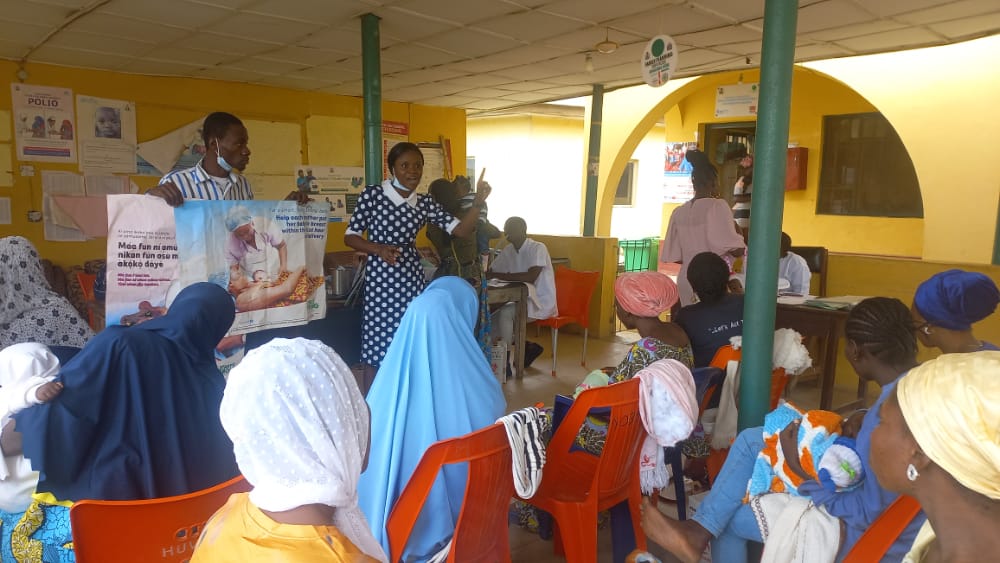
Breastfeeding is one of the best methods to ensure a child is healthy, fit and also helps them survive. provides them with antibodies that protect against many common childhood diseases like diarrhoea. However, almost 2 (two) out of three babies aren’t completely breastfed for the recommended 6 months period by WHO (Worid Health Organisation ) — a rate that has not improved in 2 (two) decades. Its World Breastfeeding Day. and Shepherd for Health Organisation went all out to promote and sensitize mothers on the importance and benefits of breastfeeding. This is to world Commemorate World Breastfeeding Week (Aug1st to Aug 7th) and ensure mothers and children are strong and healthy. Breast milk is the appropriate meals for babies. It is safe, easy and consists of antibodies which assist defend in opposition to many not unusual place youth illnesses. Breast milk offers all of the power and vitamins that the little one desires for the primary months of life, and it maintains to offer as much as half of or greater of a child’s dietary desires or nutritional needs throughout the second half of the primary year, and up to one third during the second year of life. .

Ikire, Osun State, sheadng, Shepherd for Health, Environment Advocacy and Development Center, Tuberculosis

What is Tuberculosis?

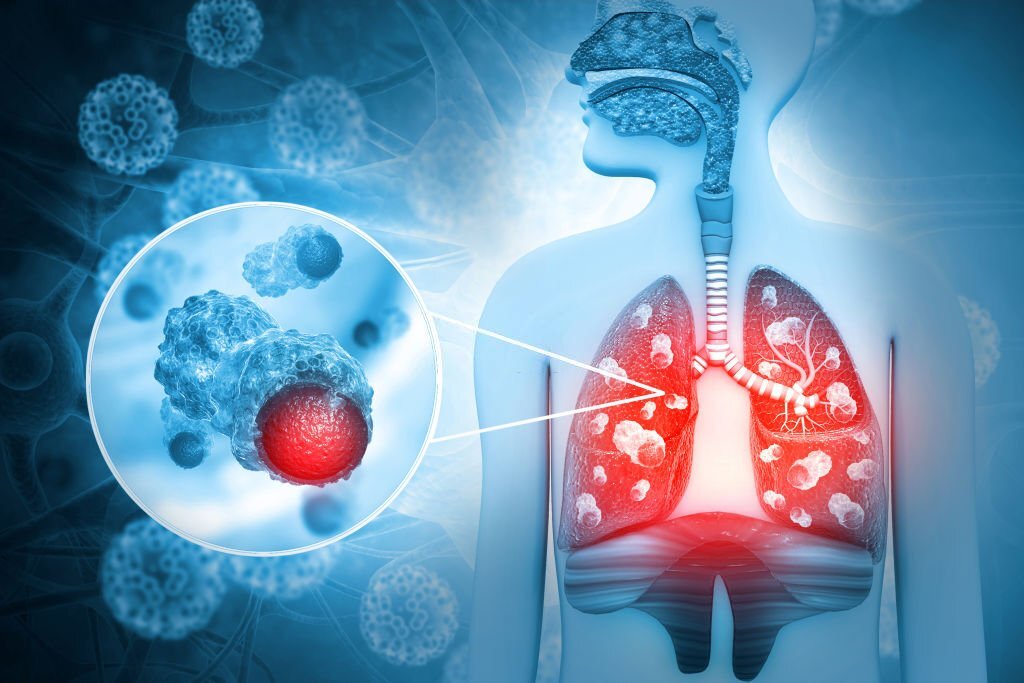
Tuberculosis also known as TB is an infectious disease that typically goes after your lungs. It can likewise spread to different parts of your body, like to your brain, kidney, and spine. A kind of microbes or bacteria called Mycobacterium tuberculosis causes it. It spreads from person to person through tiny droplets released into the air via coughs and sneezes. TB can be fatal, but in many cases, it is preventable and treatable. Tuberculosis is among the main ten reasons for worldwide mortality (Dye, 1999; Borgdorff et al., 2002). Today, most cases are restored with antibiotics (anti-toxins). However, it requires a long investment. You need to take drugs for somewhere around 6 to 9 months. Once uncommon in developed nations, tuberculosis contaminations started expanding in 1985, mostly as a result of the emergence of HIV, the infection that causes AIDS. HIV weakens an individual’s immune system, so it can’t battle the TB microorganisms. Nonetheless, due to more grounded control programs, tuberculosis started to diminish again in 1993. Yet, it stays a worldwide concern, particularly in places like Russia, South America, and Africa. Symptoms Although your body can harbor the bacteria that cause tuberculosis, your immune system usually can prevent you from becoming sick. For this reason, specialists make a differentiation between the types of tuberculosis that exist: Latent TB: This is a inert type of TB. In this case, you have a TB disease, yet the bacteria in your body are idle or inactive and cause no side effects or shows no symptoms. Latent TB, likewise called Inactive TB or TB disease, isn’t infectious. Latent TB can turn into active TB, so treatment is important. Active TB: Also called TB Disease, this condition makes you wiped out and, much of the time can spread to other people. It can happen weeks or years after infection with the TB bacteria. Ninety percent of active cases in adults come from a latent TB infection. Latent TB doesn’t have symptoms. A skin or blood test can tell if you have it. Signs of active TB disease include: A cough that lasts more than 3 weeks Chest pain, or pain with breathing or coughing Coughing up blood or mucus Feeling tired all the time (Fatigue) Night sweats Chills Fever Loss of appetite Weight loss

Osun, Tuberculosis, Report, sheadng

Osun, Oyo, Lagos, and Ogun States Records 36,482 Tuberculosis Cases in Two Years

A report from the Institute of Human Virology Nigeria, (IHVN), Tuberculosis Local Organisation Network 3, has revealed that no fewer than 36,482 cases of Tuberculosis have been detected in Oyo, Osun, Lagos, and Ogun states between April 2020 and March 2022. According to the report Oyo State leads with 10,177 cases; followed by Osun State with 9,690; Lagos State with 9,153; and Ogun State with 7,462 cases. TB is the leading cause of death among People Living with HIV/AIDS in Sub-Saharan Africa, including Nigeria, and the most common opportunistic infection. According to USAID, TB and drug-resistant TB remain large problems in Nigeria, which bears one of the highest TB burdens in Africa. The World Health Organisation said TB is caused by bacteria (Mycobacterium tuberculosis) and it most often affects the lungs. It said about half of all persons with TB can be found in Nigeria, Bangladesh, China, India, Indonesia, Pakistan, the Philippines, and South Africa. Every year, 10 million persons fall ill with TB. Despite being a preventable and curable disease, 1.5 million persons die from TB every year – making it the world’s top infectious killer. TB is the leading cause of death of people with HIV and also a major contributor to antimicrobial resistance,” it said. Medical experts, however, have called for an improved primary health system, increased funding, and the involvement of local councils as ways to reduce the burden of TB in the country. Dr. Oladapo Asiyanbi, an epidemiologist, said the challenges of TB were more than the available resources. Asiyanbi said, TB is a disease of contact and if you have households where you have an average of six persons per household with a terrible housing condition, coupled with a poor level of literacy, it becomes bad when they attribute the disease to the wrong causes. SOURCE: PUNCH NEWSPAPER, NIGERIA – Lagos, others record 36,482 tuberculosis cases in two years

Female, Girl, Hygiene, Ikire, Osun State, Menstraul, menstrual cycle, menstruation, Mothers, Osun, Shepherd for Health, Environment Advocacy and Development Center

SHEAD Celebrates World Menstrual Hygiene Day, 2022

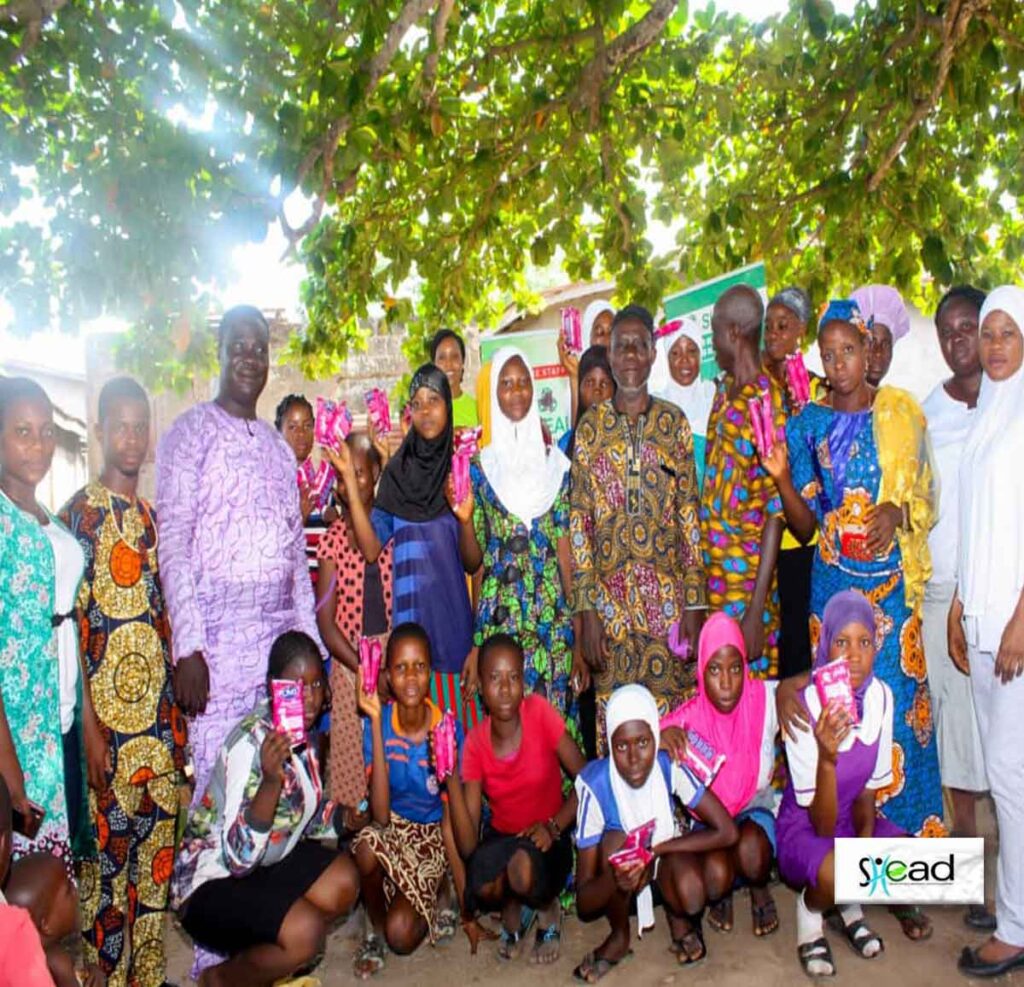
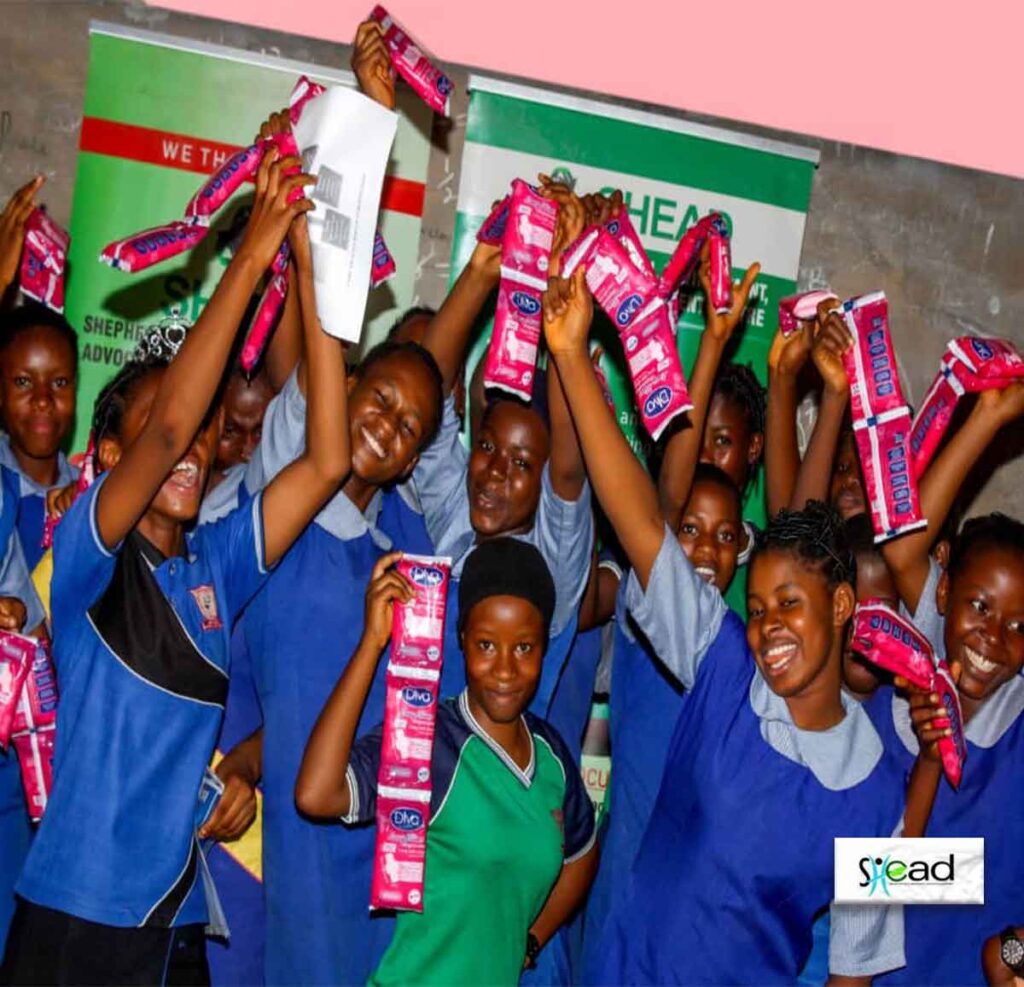
Shepherd for Health, Environment Advocacy, and Development Center also celebrated World Menstrual Hygiene Day this year with the community at Ikire, Osun State. By creating awareness on the need to ensure proper menstrual hygiene among women and girls, and also highlighting the challenges regarding access to menstrual products, education about menstruation, and period-friendly sanitation facilities. The theme of Menstrual Hygiene Day 2022 is: Making menstruation a normal fact of life by 2030.

Abuja, National TB Conference, sheadng, Shepherd for Health, Environment Advocacy and Development Center, Tuberculosis

SHEAD at National TB Conference 2021, Abuja

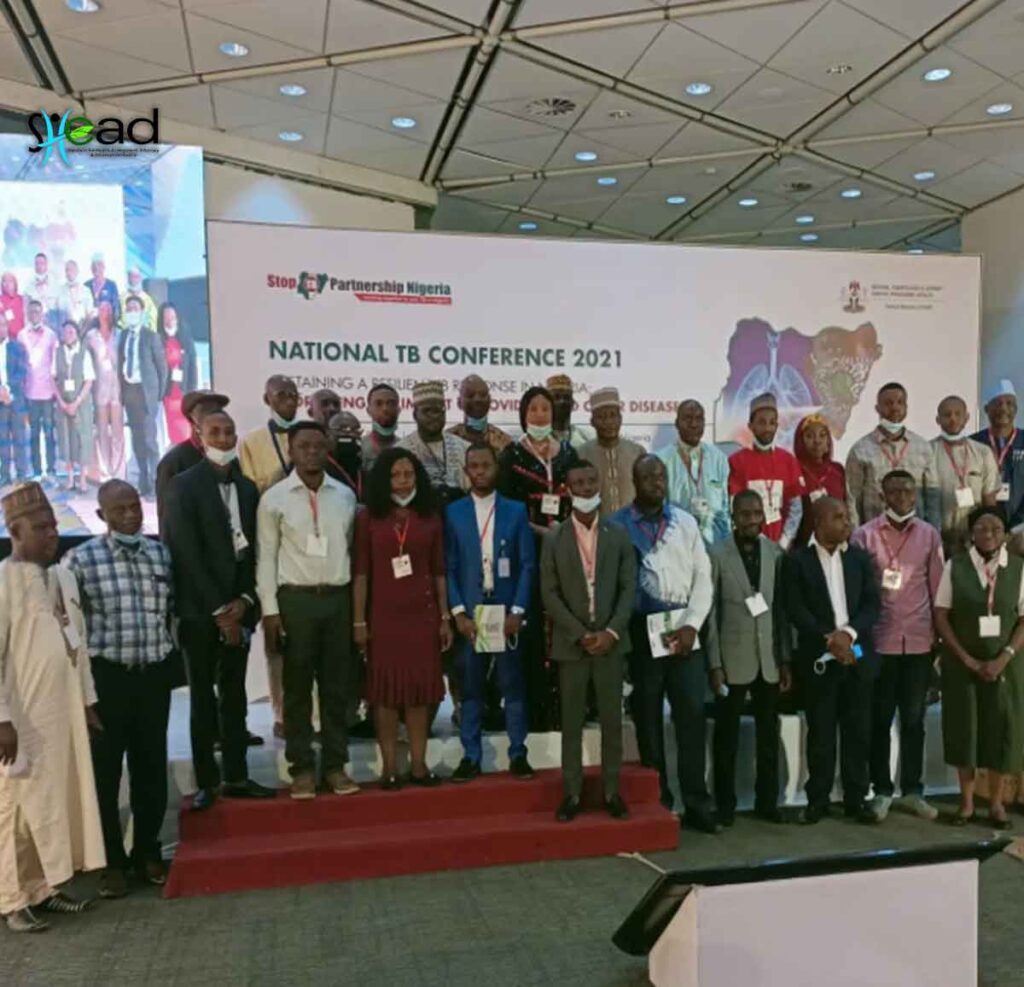
Shepherd for Health, Environment Advocacy (SHEAD) Centre Staff addressing the National TB Conference 2021 delegates on the importance of effective Engagement of community Leaders and other stakeholders in Ending TB in the community and how SHEAD as a lead CBO (Community Based Organization) on Global Fund Community TB ACF Project is carrying out the Community base case findings in Osun State. The conference brought together different stakeholders within and outside Nigeria working to end TB in the country. Deliberations were made on topical issues on TB control, foster and harness inter-sectoral and institutional collaboration to end TB in Nigeria. The Conference was a platform for all stakeholders to deliberate on the magnitude and dimensions of the effects of Covid-19 pandemic on TB control in Nigeria. SHEAD delegate also had the opportunity to share experiences and recommend strategies to address TB control.

sheadng, Shepherd for Health, Environment Advocacy and Development Center

SHEAD – Shepherd for Health, Environment Advocacy and Development Center, Ikire, Osun State, Nigeria

We are a national, non-governmental, non-profit and established in 2010 with headquarters in Osogbo, Osun State. We are registered with Osun State Ministry of Women Affairs and incorporated with the Corporate Affairs Commission in the 2016. Our activities since inception have focused on HIV/AIDS, Tuberculosis and Malaria control initiatives, reproductive and maternal health as well gender issues, Water, Development, Environmental, Sanitation and Education. Advocacy, communication and social mobilization, training of trainers, General health workers and community volunteers as well as working closely with community based organizations have formed the thrust of our activities. We have a pool of highly skilled and qualified staff with vast experience in the field of public health, environmental and developmental issues drawn from different fields of expertise. These divisions include Programs and Advocacy, Administration, monitoring and evaluation and Accounts.

Female, Girl, Hygiene, Menstraul, Mothers, Women

MSD – Menstrual Hygiene Day

For people living in extreme poverty around the world, access to basic needs such as food, water, shelter and medical care is a daily struggle. In addition to this, women and girls face another challenge which is access to menstrual products like sanitary pads. Your support will go along way to help our women and girls have menstrual freedom and end period poverty.

Scroll to Top