World Breast Feeding Campaign – Shead Center
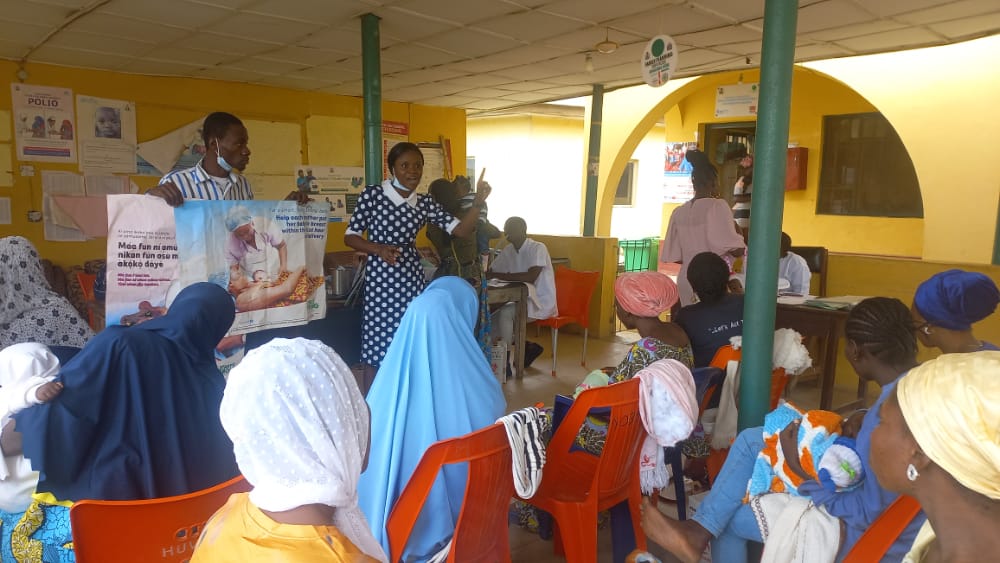
Breastfeeding is one of the best methods to ensure a child is healthy, fit and also helps them survive. provides them with antibodies that protect against many common childhood diseases like diarrhoea. However, almost 2 (two) out of three babies aren’t completely breastfed for the recommended 6 months period by WHO (Worid Health Organisation ) — a rate that has not improved in 2 (two) decades. Its World Breastfeeding Day. and Shepherd for Health Organisation went all out to promote and sensitize mothers on the importance and benefits of breastfeeding. This is to world Commemorate World Breastfeeding Week (Aug1st to Aug 7th) and ensure mothers and children are strong and healthy. Breast milk is the appropriate meals for babies. It is safe, easy and consists of antibodies which assist defend in opposition to many not unusual place youth illnesses. Breast milk offers all of the power and vitamins that the little one desires for the primary months of life, and it maintains to offer as much as half of or greater of a child’s dietary desires or nutritional needs throughout the second half of the primary year, and up to one third during the second year of life. .