Ikire, Osun State

Breastfeeding, Female, Ikire, Osun State, Mothers, Osun, sheadng, Shepherd for Health, Environment Advocacy and Development Center, Women

10 Benefits of Breastfeeding in Babies or Infants – Shead Center

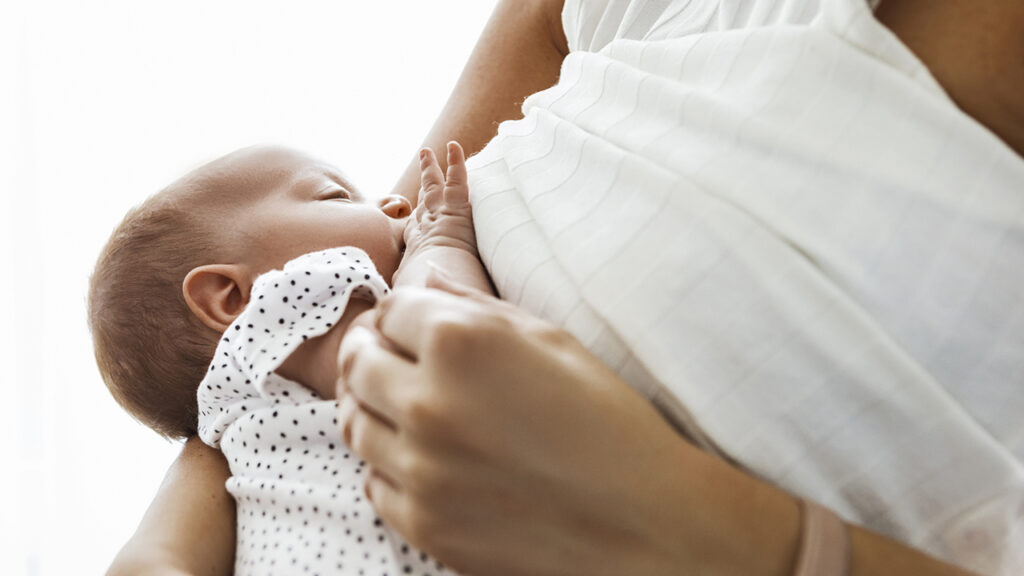
Mother breastfeeding and hugging newborn baby Breast milk is nature’s perfect baby food. Contains immune-enhancing antibodies and healthy enzymes that scientists have yet to replicate. Here are some of the benefits that breastfeeding can bring to your baby. Provides your baby with colostrum in the first few days. Colostrum – the ‘first milk’ that arrives after a mother gives birth to her child – is contains antibodies to protect the newborn baby. It’s also higher in protein and lower in sugar than ‘full’ milk, so even a small amount can hold off a baby’s hunger. Protects against allergies and eczema. Breast milk is so easy for your baby’s body to break down. Hence, it causes less stomach upset, diarrhea, and constipation than baby formula. Reduces the risk of viruses, gastroenteritis, ear infections, and respiratory infections like pneumonia and colds Help prevent obesity. Some studies show that breastfed infants are less likely to be obese later in life. Lessens the risk of Sudden Infant Deaths (SIDs). Breastfed babies are half as likely to be victims of sudden infant death syndrome (SIDS or cot death). Promotes the health of premature babies by protecting them from sepsis, chronic lung disease, necrotising enterocolitis (NEC) – a serious gastrointestinal problem that mostly affects premature babies – and other fatal conditions. Positive effect on baby brain development making your baby smarter and having higher IQ. It reduces the risk of cardiovascular disease in adulthood It allows your baby’s sleep well and soundly as a result of oxytocin produced in your baby’s body when he or she breastfeeds.
Breastfeeding, Female, Ikire, Osun State, Mothers, Osun, sheadng, Shepherd for Health, Environment Advocacy and Development Center, Women

World Breast Feeding Campaign – Shead Center

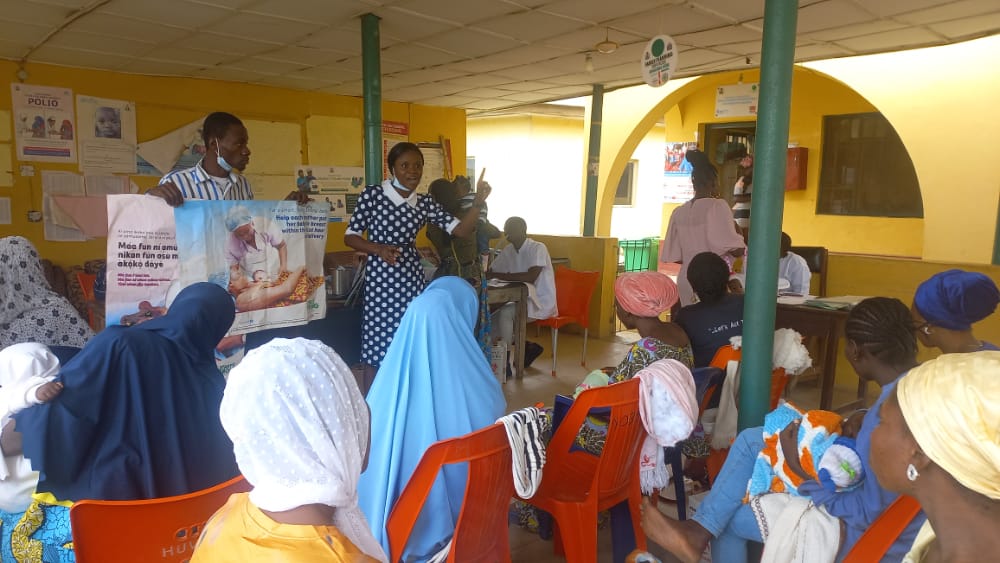
Breastfeeding is one of the best methods to ensure a child is healthy, fit and also helps them survive. provides them with antibodies that protect against many common childhood diseases like diarrhoea. However, almost 2 (two) out of three babies aren’t completely breastfed for the recommended 6 months period by WHO (Worid Health Organisation ) — a rate that has not improved in 2 (two) decades. Its World Breastfeeding Day. and Shepherd for Health Organisation went all out to promote and sensitize mothers on the importance and benefits of breastfeeding. This is to world Commemorate World Breastfeeding Week (Aug1st to Aug 7th) and ensure mothers and children are strong and healthy. Breast milk is the appropriate meals for babies. It is safe, easy and consists of antibodies which assist defend in opposition to many not unusual place youth illnesses. Breast milk offers all of the power and vitamins that the little one desires for the primary months of life, and it maintains to offer as much as half of or greater of a child’s dietary desires or nutritional needs throughout the second half of the primary year, and up to one third during the second year of life. .

Ikire, Osun State, sheadng, Shepherd for Health, Environment Advocacy and Development Center, Tuberculosis

What is Tuberculosis?

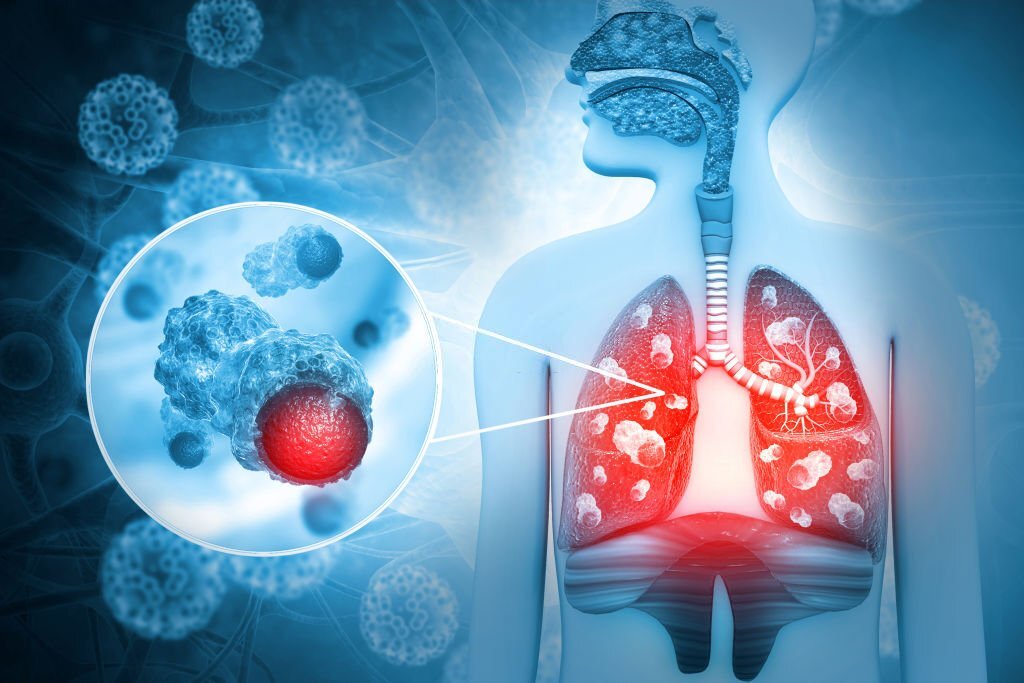
Tuberculosis also known as TB is an infectious disease that typically goes after your lungs. It can likewise spread to different parts of your body, like to your brain, kidney, and spine. A kind of microbes or bacteria called Mycobacterium tuberculosis causes it. It spreads from person to person through tiny droplets released into the air via coughs and sneezes. TB can be fatal, but in many cases, it is preventable and treatable. Tuberculosis is among the main ten reasons for worldwide mortality (Dye, 1999; Borgdorff et al., 2002). Today, most cases are restored with antibiotics (anti-toxins). However, it requires a long investment. You need to take drugs for somewhere around 6 to 9 months. Once uncommon in developed nations, tuberculosis contaminations started expanding in 1985, mostly as a result of the emergence of HIV, the infection that causes AIDS. HIV weakens an individual’s immune system, so it can’t battle the TB microorganisms. Nonetheless, due to more grounded control programs, tuberculosis started to diminish again in 1993. Yet, it stays a worldwide concern, particularly in places like Russia, South America, and Africa. Symptoms Although your body can harbor the bacteria that cause tuberculosis, your immune system usually can prevent you from becoming sick. For this reason, specialists make a differentiation between the types of tuberculosis that exist: Latent TB: This is a inert type of TB. In this case, you have a TB disease, yet the bacteria in your body are idle or inactive and cause no side effects or shows no symptoms. Latent TB, likewise called Inactive TB or TB disease, isn’t infectious. Latent TB can turn into active TB, so treatment is important. Active TB: Also called TB Disease, this condition makes you wiped out and, much of the time can spread to other people. It can happen weeks or years after infection with the TB bacteria. Ninety percent of active cases in adults come from a latent TB infection. Latent TB doesn’t have symptoms. A skin or blood test can tell if you have it. Signs of active TB disease include: A cough that lasts more than 3 weeks Chest pain, or pain with breathing or coughing Coughing up blood or mucus Feeling tired all the time (Fatigue) Night sweats Chills Fever Loss of appetite Weight loss

Female, Girl, Hygiene, Ikire, Osun State, Menstraul, menstrual cycle, menstruation, Mothers, Osun, Shepherd for Health, Environment Advocacy and Development Center

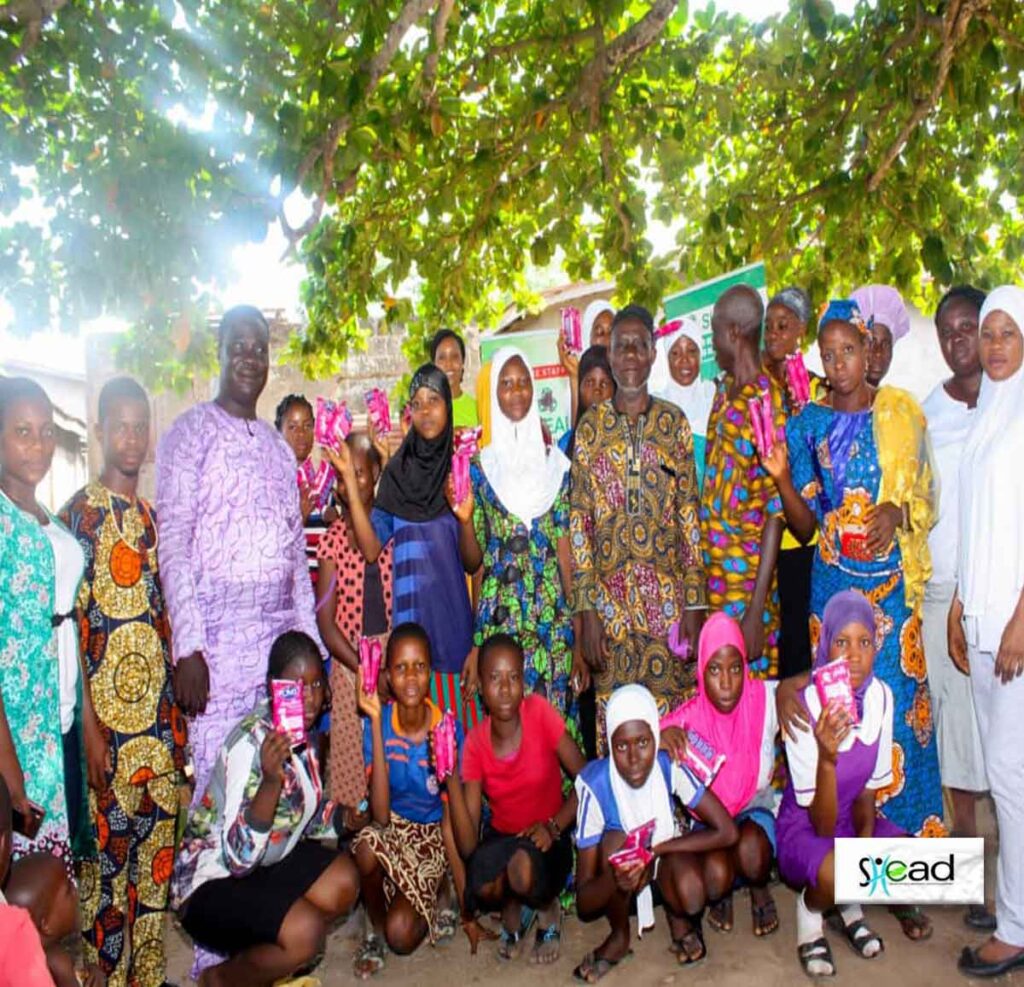
SHEAD Celebrates World Menstrual Hygiene Day, 2022

Shepherd for Health, Environment Advocacy, and Development Center also celebrated World Menstrual Hygiene Day this year with the community at Ikire, Osun State. By creating awareness on the need to ensure proper menstrual hygiene among women and girls, and also highlighting the challenges regarding access to menstrual products, education about menstruation, and period-friendly sanitation facilities. The theme of Menstrual Hygiene Day 2022 is: Making menstruation a normal fact of life by 2030.

Scroll to Top